Category Archives: pet care

Book Review: Animals Make us Human

Animals Make Us Human
Creating the best life for our animals 
By Temple Grandin & Catherine Johnson
(Amazon, $13.24)

I received this book as a Christmas present and couldn’t resist sharing it and raving about the information inside!

Temple Grandin, who has a PhD in animal science and is a professor at Colorado State, has a unique perspective about animals. Writing as a person with autism, Grandin has taken her position as a scientist with autism to create several works about animals and how they interact with humans.

Animals Make Us Human is a great, in depth view on how we humans can strive to maximize the happiness of our animal companions. Using years of scientific data and citing dozens of experiments, Grandin dives into everything from keeping a lion in a zoo from pacing in its cage to keeping a dog happy when you leave home.

Of course, this is a dog blog, and I was totally engage with the ideas around dog training and behavior management. Grandin challenges the traditional approach of training dogs in which humans are taught to become the “dominant”, or “alpha” figure in their dogs life.  According to numerous studies cited in the book, dogs don’t quite act like wolves in the way we once thought. Grandin takes the “Cesar Milan” approach and spins it into a new light, agreeing that even though some situations (doggie daycare, for example) may warrant having an alpha presence, these strategies aren’t necessary in everyday training.

The problem occurred with studies done on wolves in captivity, taken away from their natural setting and put in “forced packs”. These dogs, unstable and insecure, created a pack pecking order to maintain structure. This resulted in more fights and lashing out then with normal, natural wolf families. The change in environment and familiarity with their mates caused drastic changes in the way they interacted.

As a former daycare worker and as a dog owner, I loved that Grandin was able to compare two opposing sides of methodology without completely denouncing either. She respectfully presents both sides of the coin and tries to help the reader understand that old methods are born from old understanding, and as we become more knowledgable, the methods change.

Gardin dives deeper into the idea that as dogs become further removed genetically from their wolf brethren, they lose their ability to express submissive behaviors, resulting in more aggressive communication between dogs. The escalation of emotion leads to more fights between unfamiliar dogs. For example, malamutes, who are genetically much like their wolf descendants, exhibited all the submissive signs that wolves do when they greeted another dog. Cavalier King Charles Spaniels, which are clearly very much removed from a wolf, exhibit none of these traits, and are thus more feisty (putting it mildly, that is).

Understanding the ideas behind dominance and submission are crucial when training a dog, but so are understanding there particular drive behaviors. Finding an outlet for a dog’s seeking and play drives, and learning how to handle their fear, rage and panic emotional triggers, are critical to developing a dogs well being.

The best way to handle all these drives, according to Grandin, is through proper socialization (and I obviously agree). I loved the quote Grandin used, from Patricia McConnell, “Socialization is not the same as enrichment. You need both.” I couldn’t agree more! And proper socialization can be the preventative cure to all kinds of later life issues. What I didn’t know about was a second socialization stage, between 18 and 36 months, when a dog becomes socially mature. This is a great opportunity to have your pup around positive adult-dog influences to steer them into the right direction through their teen years.

There is so much information about dogs in this book that I can get carried away. I’d also miss out on mentioning how Gardin talks about creating happy lives for your cats, for pigs, horses, birds, and captive animals in zoos. She talks about ways to stimulate their deepest instincts to help give even a caged lion a happy and content life. Believe it or not, an animal raised in the wild, yet put into captivity, tends to react better to being behind the glass in a zoo. You’ll have to read to find out why!

I recommend this book to anyone who is interested in animal science and animal psychology. Scratch that, I would recommend this book to anyone who has ever cared for an animal and wants to better understand the way they think. Not every animal is dealt the best hand, but with a little help from us humans, we can totally give them the happy and content life they need. Grab your copy today to find out how!

Dog Food: Going Beyond the Kibble (Part 2)

Last week, I talked about some great ways to switch your dog to a whole foods diet while highlighting a handful of tasty and nutritious treats usually reserved for humans.

Unfortunately, not all human food is dog friendly. And though switching to a whole foods diet is great for your dog and your wallet, there are a handful of foods you should avoid. Here are a few of the most common foods to avoid:

Avocado:

Unknown

The leaves, bark, and seeds of an avocado contain a chemical called persin. Dogs (and birds, rabbits, and horses) are especially sensitive to avocado as they can have respiratory distress, congestion, fluid accumulation around the heart, and even death from consuming avocado. Though toxic to some animals, avocado does not pose a serious threat to dogs or cats. Usually a mild stomach ache can occur from eating too much avocado flesh or peel. Swallowing the pit can lead to obstruction in the gastrointestinal tract, which is a serious situation and you should get your pet to the vet immediately.

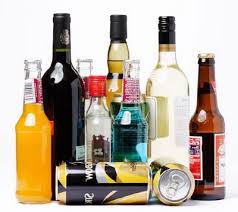
Alcohol:

Unknown

Dogs are extremely sensitive to the effects of alcohol (also refered to as ethanol or ethyl alcohol). Even a small amount of alcohol can leave your pooch severely intoxicated. Keep a close eye on your holiday champaign or wine, and don’t give your dog some of that beer your sipping! Alcohol intoxication commonly causes vomiting, loss of coordination, disorientation and stupor (I’m sure many of you can relate). In severe cases, coma, seizures and death may occur. Keep a close eye on your pup if they are showing signs of mild intoxication, but if your dog cannot get up they should be monitored by a vet until they recover.

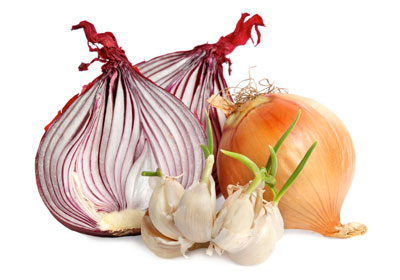
Onion and Garlic:

Home-Remedies-For-Tooth-Pain-garlic-onion

Ingestion of onions and garlic may pose a threat to dogs’ red blood cells. The odds of a dog eating enough raw garlic or onion to cause any serious damage is unlikely, but concentrated forms (dried onions, garlic powder) can pose a much greater risk. Damage caused by eating too much garlic or onion may not show up for a few days, when dogs become easily tired or reluctant to move. Take your dog to the vet immediately if they seem to be having trouble. In severe cases, a blood transfusion may be necessary.

Grapes and Raisins:

Unknown

Consuming grapes and raisins has been associated with the development of kidney failure in some dogs, though the cause is unclear.Also confusing is why some dogs can eat these fruits without harm, while others develop life-threatening problems after eating even a few grapes or raisins. Of course it’s better to be safe then sorry and just not let your pup eat any grapes or raisins. Symptoms include vomiting, lethargy or diarrhea within 12 hours of ingestion. As symptoms progress, dogs become increasingly lethargic and dehydrated, refuse to eat and may have a period of frequent urination, followed by little to zero urination. Death due to kidney failure may occur within three to four days, or long-term kidney disease may persist in dogs who survive the acute intoxication.

In case you missed it, don’t let your dogs eat grapes or raisins. In case it happens, successful treatment requires prompt veterinary treatment to maintain good urine flow.

Chocolate:

Here’s the big one! Unless you’re planning for a New Year’s resolution and ridding yourself of chocolate for the year, chocolate is probably in your home and could be a serious problem to your dog. Foods like chocolate candy, cookies, brownies, chocolate baking goods, cocoa powder and cocoa shell-based mulches all pose a risk to your pup. Caffeine and theobromine, which belong to a group of chemicals called methylxanthines, are what cause the issues. The rule of thumb with chocolate is “the darker it is, the more dangerous it is.” White chocolate has very few methylxanthines and is of low toxicity. Dark baker’s chocolate has very high levels of methylxanthines, and plain, dry unsweetened cocoa powder contains the most concentrated levels of methylxanthines. Depending on the type and amount of chocolate ingested, the signs seen can range from vomiting, increased thirst, abdominal discomfort and restlessness to severe agitation, muscle tremors, irregular heart rhythm, high body temperature, seizures and death. Dogs showing more than mild restlessness should be seen by a veterinarian immediately.

images

Now you have the tools to switch your pup off the kibble. So have at it, get your pup on that whole food diet! Get them off the kibble and mystery meat canned food and help them get to a healthier, happier life!

Dog Food: Going beyond the Kibble (Part 1)

I live in Seattle, so the idea of a healthy, whole foods lifestyle isn’t reserved for just us humans. Articles galore online describe how easy it is to switch your dog from byproduct riddled kibble and mystery meat canned food to a real, you can actually see the ingredient whole foods diet.

Why would you bother? First, it’s healthier, especially knowing that your pup is getting real meats and vegetables, and you get to pick what goes inside. Second, in most cases it’s cheaper. A local pet shop owner tipped me off to a brilliant idea (and talked me out of buying some canned food). Throw some chicken in the slow cooker on a Monday morning, and you’ll have fresh chicken all the way till Sunday! Lean, healthy protein source for about 36 cents a serving, compared to about $1/serving for the wet food we feed Pickle. That’s a 65% savings!

Okay, now you’re intrigued, right? The issue now is what can we and what can’t we feed our dogs. Here’s a list of some great, tasty options to feed your pup that are safe for your pup to eat:

Fresh, cooked meat.

Fresh meat can be a great stand in for the mystery meat canned food you may be serving up now, and works great in a pinch if you accidentally run out of food. Chicken, turkey, lean ground beef, and chuck steak or roast are animal-based proteins, which help dogs grow up strong. Make sure to cook the meat well as raw or undercooked meat could transmit food born illnesses to your pup. Many pet health sites will advise against fatty cuts, including bacon, but I encourage moderation. A piece of bacon will make your dog happy, a whole pound may leave him with a belly ache. Lastly, cut meat into easy-to-chew chunks to avoid choking.

Sweet potatoes.

Pickle loves her some sweet potato! Mixed up in her food or as a stand alone treat, sweet potatoes are a great source of dietary fibre and contain vitamin B6, vitamin C, beta carotene, and manganese. Sweet potatoes are great sliced and dehydrated as a chewy treat for your dog.

Apples.

bowl-of-apples-21

A wonderful, crunchy, sweet and/or tangy treat for your dog. Apples with the skin on are full of plant chemicals (phytonutrients) and are a source of vitamins A and C and fibre. Be weary of the seeds, however, as they contain cyanide. Don’t let your dog eat the core, but don’t be too worried if they get a seed or two. Issues occur when they regularly eat seeds, but a couple shouldn’t cause an issue.

Carrots.

carrots

Another cool, crunchy, see treat. Carrots are good for a dog’s teeth, low calorie, high in fiber and beta carotene/vitamin A.

Pumpkin.

Fiber is a huge theme here, and pumpkin is no exception. Also a good source of beta carotene (a source of vitamin A), we use pumpkin as a way to regulate Pickle’s bowel movements. It’s a tasty treat that certainly keeps her regular (and her belly happy).

Nut Butters.

Move beyond the peanut butter when you are giving your pup a midday treat. We have used everything from almond butter to sunflower seed butter to help spice up Pickle’s meals and treats (especially spreading it on her antler chew, she digs it!) A great source of protein and nutrients. Try to stick with raw, unsalted butters.

Cranberries and Blueberries.

Cranberries and blueberries good sources of vitamins, minerals and dietary fiber. Both are high in antioxidant content, which can help protect against free radicals that damage normal cells and tissues, are good for cardiovascular system and immune system. Cranberries have been used to help relieve to effects of Urinary Tract Infections (UTIs) in dogs (still go to your vet if your dog is showing signs of painful urination). At the same time the effect of antioxidants can protect the structure and tissues from the radical damage and delay aging. So blueberries provide special benefits for older dogs.

1.0_OurBerries_header_01.jpg

Blueberries and cranberries should be fed in moderation so as not to upset the digestive system of your dog. Over feeding of berries could lead to upset bellies and diarrhea.

Yogurt.

Yogurt is awesome for dogs! Not only is yogurt a great source of calcium and protein, but it is also a great source of stomach friendly probiotics for your dog! When Pickle was on antibiotics for her kennel cough, we gave her a small amount of yogurt everyday to keep her regulated, and she loved it. Choose low fat yogurts with no added sugar or sweeteners. On a warm day, frozen yogurt (with berries!?) can make a great treat for your pup!

Make sure to check back later in the week when we look at the foods that are dangerous for your pup and need to be avoided.

What are your favorite ways to spice up your dog’s meals? Leave a comment on our Facebook page or on Twitter!