Tag Archives: dog

Book Review: Animals Make us Human

Animals Make Us Human
Creating the best life for our animals 
By Temple Grandin & Catherine Johnson
(Amazon, $13.24)

I received this book as a Christmas present and couldn’t resist sharing it and raving about the information inside!

Temple Grandin, who has a PhD in animal science and is a professor at Colorado State, has a unique perspective about animals. Writing as a person with autism, Grandin has taken her position as a scientist with autism to create several works about animals and how they interact with humans.

Animals Make Us Human is a great, in depth view on how we humans can strive to maximize the happiness of our animal companions. Using years of scientific data and citing dozens of experiments, Grandin dives into everything from keeping a lion in a zoo from pacing in its cage to keeping a dog happy when you leave home.

Of course, this is a dog blog, and I was totally engage with the ideas around dog training and behavior management. Grandin challenges the traditional approach of training dogs in which humans are taught to become the “dominant”, or “alpha” figure in their dogs life.  According to numerous studies cited in the book, dogs don’t quite act like wolves in the way we once thought. Grandin takes the “Cesar Milan” approach and spins it into a new light, agreeing that even though some situations (doggie daycare, for example) may warrant having an alpha presence, these strategies aren’t necessary in everyday training.

The problem occurred with studies done on wolves in captivity, taken away from their natural setting and put in “forced packs”. These dogs, unstable and insecure, created a pack pecking order to maintain structure. This resulted in more fights and lashing out then with normal, natural wolf families. The change in environment and familiarity with their mates caused drastic changes in the way they interacted.

As a former daycare worker and as a dog owner, I loved that Grandin was able to compare two opposing sides of methodology without completely denouncing either. She respectfully presents both sides of the coin and tries to help the reader understand that old methods are born from old understanding, and as we become more knowledgable, the methods change.

Gardin dives deeper into the idea that as dogs become further removed genetically from their wolf brethren, they lose their ability to express submissive behaviors, resulting in more aggressive communication between dogs. The escalation of emotion leads to more fights between unfamiliar dogs. For example, malamutes, who are genetically much like their wolf descendants, exhibited all the submissive signs that wolves do when they greeted another dog. Cavalier King Charles Spaniels, which are clearly very much removed from a wolf, exhibit none of these traits, and are thus more feisty (putting it mildly, that is).

Understanding the ideas behind dominance and submission are crucial when training a dog, but so are understanding there particular drive behaviors. Finding an outlet for a dog’s seeking and play drives, and learning how to handle their fear, rage and panic emotional triggers, are critical to developing a dogs well being.

The best way to handle all these drives, according to Grandin, is through proper socialization (and I obviously agree). I loved the quote Grandin used, from Patricia McConnell, “Socialization is not the same as enrichment. You need both.” I couldn’t agree more! And proper socialization can be the preventative cure to all kinds of later life issues. What I didn’t know about was a second socialization stage, between 18 and 36 months, when a dog becomes socially mature. This is a great opportunity to have your pup around positive adult-dog influences to steer them into the right direction through their teen years.

There is so much information about dogs in this book that I can get carried away. I’d also miss out on mentioning how Gardin talks about creating happy lives for your cats, for pigs, horses, birds, and captive animals in zoos. She talks about ways to stimulate their deepest instincts to help give even a caged lion a happy and content life. Believe it or not, an animal raised in the wild, yet put into captivity, tends to react better to being behind the glass in a zoo. You’ll have to read to find out why!

I recommend this book to anyone who is interested in animal science and animal psychology. Scratch that, I would recommend this book to anyone who has ever cared for an animal and wants to better understand the way they think. Not every animal is dealt the best hand, but with a little help from us humans, we can totally give them the happy and content life they need. Grab your copy today to find out how!
New Year’s Resolutions

That time has come again for everyone to make resolutions and give themselves two weeks of new hope to start the new year.

I for one am going to start running more, drink less, and get back to doing hot yoga. I have all these plans to eat better, read more, watch less Netflix and expand my business.

Seriously, I’m going to do all of these things!

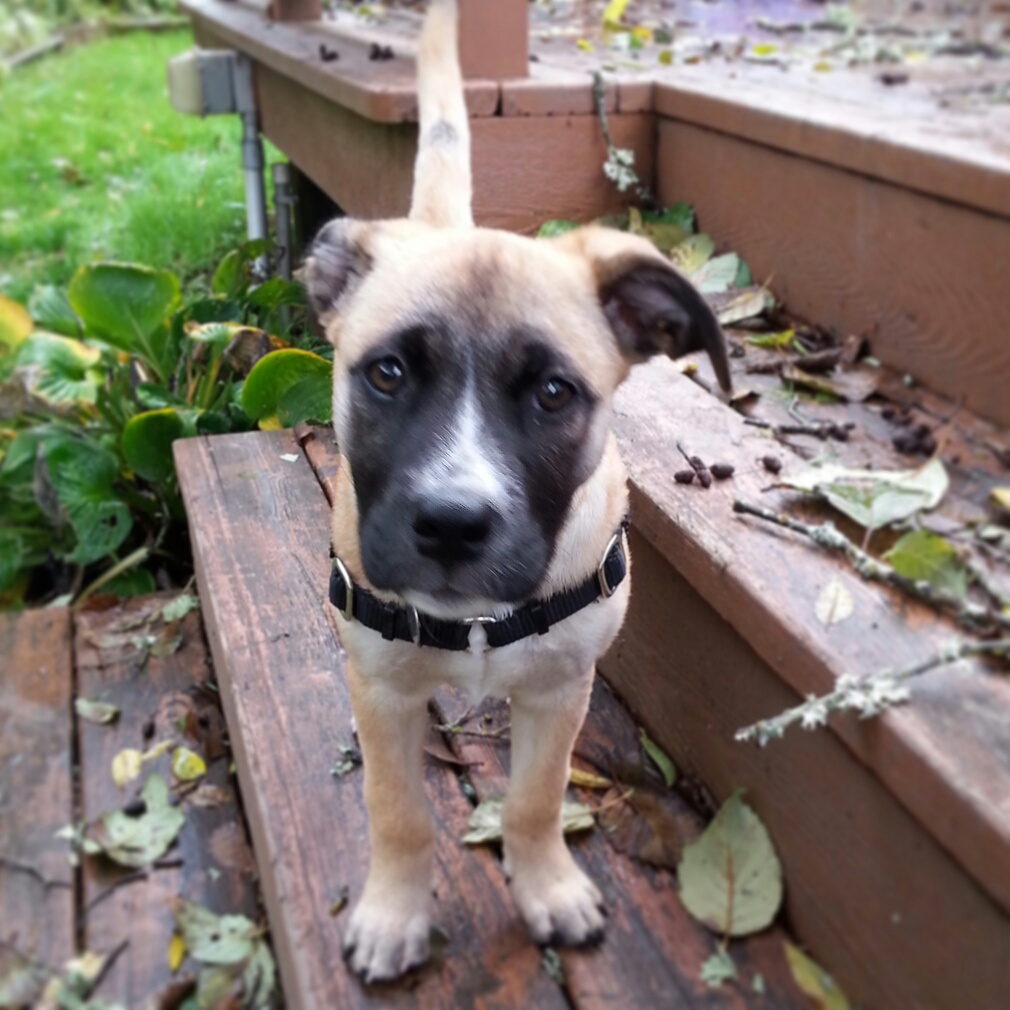
You see, I have a secret weapon this year. Her name is Pickle, my sweet, hyper, lovable puppy that has entered into her “I’m going to drive you crazy with all my energy and newly found sense of adventure” phase. Over the past week or so it has become painfully apparent that the one hour walk each day won’t be enough to make Pickle nap during the day. It’ll take more than 20 minutes of food games and fetch down the hallway. So clearly we’re going to have to start running or else I’m going to go bananas trying to keep Pickle busy. Our 6am potty breaks mean not going back to bed, but instead getting up, running, doing my pushups and chin ups, and mixing up a protein shake. I’ll feel so good about myself I won’t feel like a fourth beer or a Big Mac (okay, maybe I’ll run that extra mile instead).

Physical resolution: Check.

IMG_20141027_110007_resized

With all of the physical demands that come from Pickle becoming more of a brat, and with the need to expand my knowledge as my dog walking business grows, I’ll be forced to read more articles and books related to dog behavior and training. Say adios to all those status updates and tweets. I won’t have time to watch as much TV or as many episodes on Netflix, and my brain won’t feel like mush at the end of everyday.

Educational resolution: Check.

I’ll be the first to mention that training Pickle has been fairly easy, but there have been some low points. She has been so great with her potty training and commands that we forget sometimes that she’s a puppy, so when she gets distracted by an off leash dog or a squirrel, I sometimes lose my patience. Then those sweet eyes pull me back in and I can’t help but want to get on my knees and apologize to her. But as we progress with our training, and as we figure out ways to wear her out, I can take the time to take a deep breath and help her calmly and with patience. Then maybe I won’t get so easily overwhelmed by my day full of puppy play and training. It’s so hard being me!

Emotional resolution: Check.

Okay, here’s a tip for any inspiring business person. If you want to get the word out quick about your business, rent a puppy. Seriously, there are services for that. Anyway, I’m not exactly a social butterfly, so openly talking about my business is tough, no matter how excited I am about it. Pickle has given me the best ice breaker into building a client base and talking about my walking services. I want to become more vocal about all the excitement in my life, and I resolve to exploit Pickle’s cuteness to do so. I want to expand my business and become more financially stable. It’s been too long since I’ve been able to say that, it’s about time I take the plunge and start networking!

Business resolution: Check.

Every year I make small promises to myself to get a ripped set of abs, earn more money and spend less time playing with social media. This year, I am writing it all down to stay accountable. Feel free to call me out on it, and I can do the same for you! Luckily I have the power of a rambunctious puppy to keep me on track. Hopefully this year will be my year!

I’ll check back in with you on December 31.

Dog Food: Going beyond the Kibble (Part 1)

I live in Seattle, so the idea of a healthy, whole foods lifestyle isn’t reserved for just us humans. Articles galore online describe how easy it is to switch your dog from byproduct riddled kibble and mystery meat canned food to a real, you can actually see the ingredient whole foods diet.

Why would you bother? First, it’s healthier, especially knowing that your pup is getting real meats and vegetables, and you get to pick what goes inside. Second, in most cases it’s cheaper. A local pet shop owner tipped me off to a brilliant idea (and talked me out of buying some canned food). Throw some chicken in the slow cooker on a Monday morning, and you’ll have fresh chicken all the way till Sunday! Lean, healthy protein source for about 36 cents a serving, compared to about $1/serving for the wet food we feed Pickle. That’s a 65% savings!

Okay, now you’re intrigued, right? The issue now is what can we and what can’t we feed our dogs. Here’s a list of some great, tasty options to feed your pup that are safe for your pup to eat:

Fresh, cooked meat.

Fresh meat can be a great stand in for the mystery meat canned food you may be serving up now, and works great in a pinch if you accidentally run out of food. Chicken, turkey, lean ground beef, and chuck steak or roast are animal-based proteins, which help dogs grow up strong. Make sure to cook the meat well as raw or undercooked meat could transmit food born illnesses to your pup. Many pet health sites will advise against fatty cuts, including bacon, but I encourage moderation. A piece of bacon will make your dog happy, a whole pound may leave him with a belly ache. Lastly, cut meat into easy-to-chew chunks to avoid choking.

Sweet potatoes.

Pickle loves her some sweet potato! Mixed up in her food or as a stand alone treat, sweet potatoes are a great source of dietary fibre and contain vitamin B6, vitamin C, beta carotene, and manganese. Sweet potatoes are great sliced and dehydrated as a chewy treat for your dog.

Apples.

bowl-of-apples-21

A wonderful, crunchy, sweet and/or tangy treat for your dog. Apples with the skin on are full of plant chemicals (phytonutrients) and are a source of vitamins A and C and fibre. Be weary of the seeds, however, as they contain cyanide. Don’t let your dog eat the core, but don’t be too worried if they get a seed or two. Issues occur when they regularly eat seeds, but a couple shouldn’t cause an issue.

Carrots.

carrots

Another cool, crunchy, see treat. Carrots are good for a dog’s teeth, low calorie, high in fiber and beta carotene/vitamin A.

Pumpkin.

Fiber is a huge theme here, and pumpkin is no exception. Also a good source of beta carotene (a source of vitamin A), we use pumpkin as a way to regulate Pickle’s bowel movements. It’s a tasty treat that certainly keeps her regular (and her belly happy).

Nut Butters.

Move beyond the peanut butter when you are giving your pup a midday treat. We have used everything from almond butter to sunflower seed butter to help spice up Pickle’s meals and treats (especially spreading it on her antler chew, she digs it!) A great source of protein and nutrients. Try to stick with raw, unsalted butters.

Cranberries and Blueberries.

Cranberries and blueberries good sources of vitamins, minerals and dietary fiber. Both are high in antioxidant content, which can help protect against free radicals that damage normal cells and tissues, are good for cardiovascular system and immune system. Cranberries have been used to help relieve to effects of Urinary Tract Infections (UTIs) in dogs (still go to your vet if your dog is showing signs of painful urination). At the same time the effect of antioxidants can protect the structure and tissues from the radical damage and delay aging. So blueberries provide special benefits for older dogs.

1.0_OurBerries_header_01.jpg

Blueberries and cranberries should be fed in moderation so as not to upset the digestive system of your dog. Over feeding of berries could lead to upset bellies and diarrhea.

Yogurt.

Yogurt is awesome for dogs! Not only is yogurt a great source of calcium and protein, but it is also a great source of stomach friendly probiotics for your dog! When Pickle was on antibiotics for her kennel cough, we gave her a small amount of yogurt everyday to keep her regulated, and she loved it. Choose low fat yogurts with no added sugar or sweeteners. On a warm day, frozen yogurt (with berries!?) can make a great treat for your pup!

Make sure to check back later in the week when we look at the foods that are dangerous for your pup and need to be avoided.

What are your favorite ways to spice up your dog’s meals? Leave a comment on our Facebook page or on Twitter!

Socialization for a Happy Life

Socialization is hugely important to a puppy. It is their way of learning how to deal with living in a human world, filled with all sorts of curious noises, sights and smells. Socialization helps your puppy be comfortable in all kinds of otherwise stressful situations. But there are lots of caveats when it comes to socialization: when should I start, how should I go about it, where should I take my puppy? Hopefully I can point you in the right direction, and help you to give your puppy a good start to their new life!

WHAT:

Socializing is teaching your puppy about new sights, sounds and smells that overwhelm them in their early days. A passing bus or a strange man on the sidewalk can be frightening to a dog if they have never seen or heard them before. Socialization is a process that teaches a puppy that these things are okay and will not hurt them, and help them to become comfortable with the world around them as they grow into adulthood.

Dogs naturally go through a period when they are young where they are open and curious about the world. This is a great time to expose them to new things. When they are slightly older, however, dogs become instinctively cautious, approaching new experiences with hesitation and more thought. Naturally, this helps them to avoid potentially dangerous situations that they would have faced outside of their life with you.

Socializing helps to harness your pup’s curiosity when young, and help them be safe and happy when things get a little rougher.

WHY:

Well socialized dogs prove to be happier and more relaxed as pets. This is because they are able to adapt to a wider range of environments and situations. Poorly socialized dogs have a tendency to react to new experiences with either fear or aggression. Trust me when I say that a fearful dog is not always a peach to own, especially when it comes to meeting other dogs and people.

Though the amount of socialization is up to the owner, the more you socialize your pup, the better their odds of being relaxed and happy with new exposures. More safe exposures add up to a much happier relationship between you and your dog!

WHO:

You and your pup. And the mailman, sidewalk strangers, the old woman at the bus stop, 15 of your closest friends and all their kids, your neighbor Jim, even the bus driver or the lady handing you food at the drive thru. When it comes to people, you want to get your puppy exposed to as many types of looks, personalities, ethnicities and ages of people as possible. Especially people with hats, scarves, hoodies, any kind of unique style that may throw your puppy off later.

When it comes to dogs, a little discretion is important. Puppies are very susceptible to disease and illness, and their little immune systems cannot cope with a lot of the sicknesses that older dogs may carry. Make sure if you bring your new puppy around dogs they are dogs that are fully vaccinated and healthy, and of course make sure they are okay with puppies. Remember, puppies are super rude, and not all older dogs will be okay with that.

20140925_083040_resized

(Author’s note: Dog parks do not constitute good socialization. For one, if your puppy isn’t FULLY vaccinated, DO NOT TAKE THEM TO THE DOG PARK! Your pup could contract Parvo, kennel cough, or any of the other dozens of illnesses that dogs carry. Second, puppies are rude and don’t have very many boundaries. Don’t put them in a situation to piss off a mature dog and get bit. Just don’t do it.)

Our trainers used to say “a puppy should have 100 new exposures per day”, and even if that sounds a bit overwhelming, every new moment to a puppy is a new exposure.

WHERE:

Everywhere. Seriously. When we got Pickle, I took her everywhere. I took her on car rides, carried her around the neighborhood (read below to see how), brought her to friend’s houses, took her on trips to Grandma’s, to the hardware store, EVERYWHERE!

Our best strategy (and the one we owe Pickle’s sweet demeanor) was taking her to Chuck’s Hop Shop, a dog friendly bar in our neighborhood. When she was young we would hold her in our laps and limit her interactions with dogs, but we encouraged everyone to hold her, even the bartenders. Pickle adapted to all the sounds and smells, and became very comfortable with being handled by dozens of people and a short time period. This did wonders for her socialization!

IMG_20141120_185709

WHEN:

Puppies handle new exposures best between 8 weeks and 12 weeks. They are really curious and their senses have come alive! Of course they may be young for random dog interactions, but there are ways around that (keep reading).

20140915_112112_resized

The trouble happens around 16-20 weeks. Puppies enter a phase called their “fear stage”. They become more cautious of new things and it becomes harder to introduce them to new exposures. The more work you do when they are young the easier your life will be during this time.

HOW:

Here’s the big one. How is it possible to safely get your puppy 100 new exposures everyday, and fit them into a small window where they will appropriately help the pup?

First, throw a puppy party. Have your friends and family come over to your house with the sole purpose of showering your puppy with love, attention, treats and love. Encourage soft wrestling and face playing, grabbing at paws and ears, and making sure the puppy is comfortably okay with these things. When Pickle first came home we invited people over for a Seahawk game, and our little puppy got more face time than ever before. Right off the bat she was becoming comfortable with loud noises and sudden movements, and with the quirkiness of humans.

Being outside is a little tougher. Before Pickle was fully vaccinated, I did a lot of carrying (did wonders for my biceps). The ground has a bunch of bad bacteria that puppies could become sick if they sniff or ingest. Pickle spent a lot of time in my arms as we walked, or in my lap if we visited a dog friendly bar. Luckily, she was so little and cute that she spent a lot of time in other people’s arms as well, so the human side of her socialization happened really young.

For doggie interaction, we signed her up for a puppy play class, where she could run around and romp with dogs her own age. Even 30 minutes a day was enough to wipe her out and teach her better habits when playing with other puppies.

IMG_20140926_105647 When she got a little heavier, Kira bought her a little duffel bag type carrier that I could put her in when we went on walks. Pickle could lay down and soak in the sounds and smells from the city, or she could poke her head out of a hole in the top that allowed her to meet people on the sidewalk. I highly recommend any one with a small enough dog get one. Funny how many places I could take her when people thought I was just carrying a gym bag!
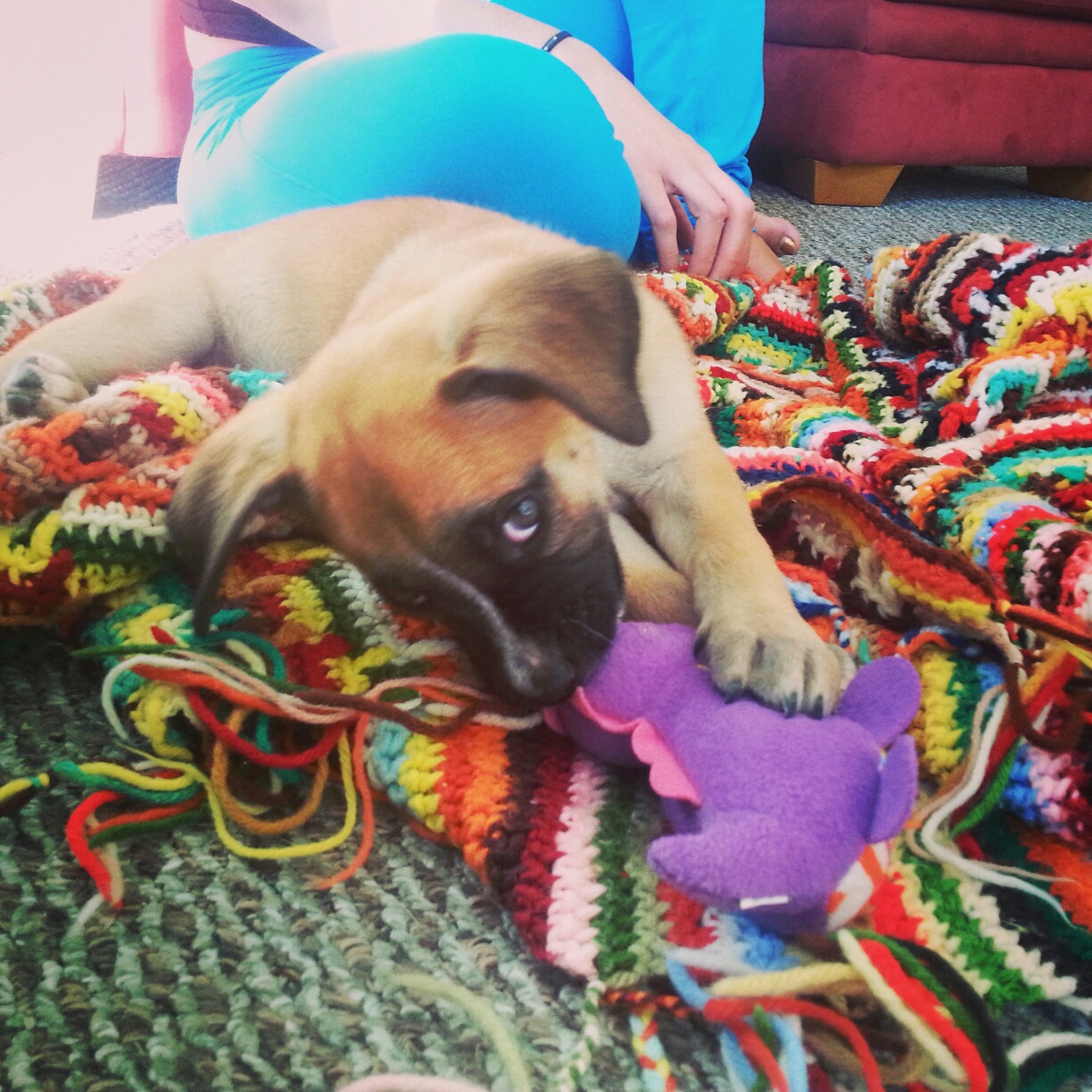
After Pickle was fully vaccinated, we started going on longer walks and having more exposures. She could meet strange dogs, teaching good introduction methods (we’re working on it) and having her on the street, closer to the smells and sounds of traffic and strangers. She also became more visible, so there were many more pets and hand outs from people passing by, which made Pickle happy. It helps that I am a dog walker, which puts her around dogs for at least 2 hours a day, 5 days a week.

Lastly, remember not to push your little one to hard. If your pup expresses a lot of stress during a new experience, either tone down the amount of exposure (turn down noise, remove a stimulant) and/or praise the crap out of them. For example, if you are at the park around lots of screaming kids, monitor how your pup is handling it. If they seem stressed, flood them with treats and comfort, and if that doesn’t work, sit further away from the commotion. The goal is to develop comfort, note generate fear.

Socializing your puppy will help them to adapt to new places and sounds. They will approach new experiences with confidence, not hesitation. It will also teach them to handle places like the dog park in a safe and appropriate manner. Owners will experience a better relationship with their dog and will be able to approach more situations with safe and happy expectations. So get out and get friendly!

Entertaining your Puppy on the Cheap

Puppies are expensive. Often times there are adoption fees, vaccinations, vet bills, food, snacks, bedding, training, and so much more, and those are just the essentials! It’s easy to suffer from a little sticker shock when you start adding up the dollars necessary for raising a puppy (but they are so worth it!).

IMG_20140920_152122_resized

When it comes to entertaining your dog with toys and games, it’s easy for that dollar amount to skyrocket. A quick search on PetCO.com revealed toys as expensive as $41.24 (that’s after a 25% discount!), and toys on average sit between $10-15. So stockpiling your dogs toy bin can be quite difficult.

Luckily, there are alternatives! With Pickle, we’ve made some great discoveries about ways to keep her entertained and ways to stimulate her body and her mind. Here are a couple tips and hints about entertaining your puppy on the cheap:

Where to Shop:

Skip the big name stores and go to second-hand stores. Store’s like Marshal’s and Ross are great places to pick up the same puppy toys as Pet Co, but at half the cost (not to mention dishes, leashes, etc)! The fun part is a store like Ross does not track their inventory from store to store, so shopping in their stores is like a scavenger hunt for new goods! Fun for your inner shopper, and a huge payoff to your pup (and your wallet!).

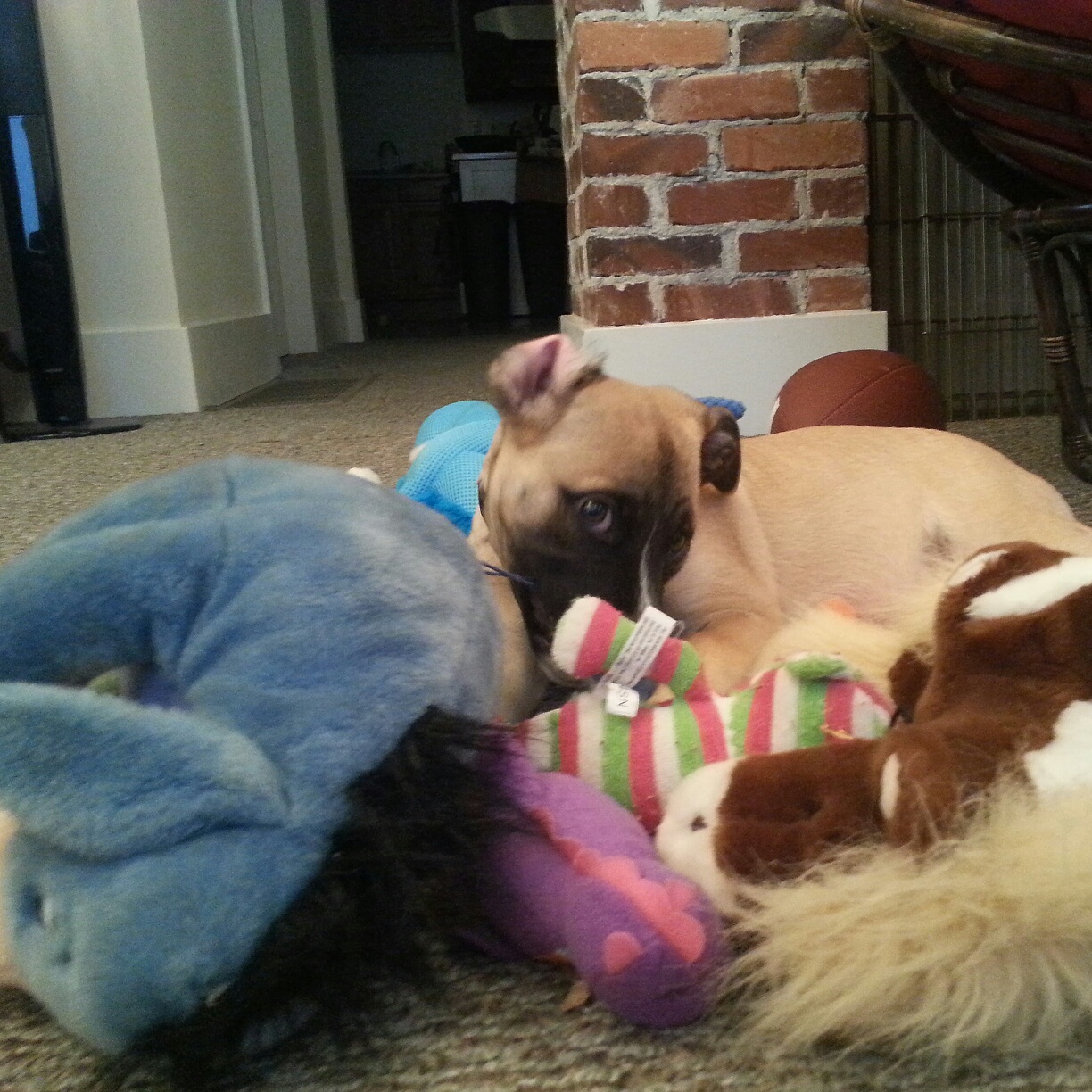
For a little more adventure, we’ve gone toy shopping in Goodwill and thrift stores all across Seattle. Goodwill has a great pet section, sure, but the pay off is finding a fun stuffed animal from the kid’s toy aisle. Kira came back with a stuffed horse and a mopey Eeyore that drove Pickle nuts! I think the smells from these toys cannot be replicated, so it puts her on sensory overload when we play with them. For an added bit of fun, we bought a giant stuffed bear (for $6) that Pickle wrestles with and uses as a dog bed. We ran it through the dryer on high to kill any possible bugs, just in case.

IMG_20141115_114106

Make sure if you are purchasing none dog approved toys from thrift stores that you remove any hard plastic eyes or attachments so your pup doesn’t choke. Also make sure they don’t eat any of the stuffing from inside as it could cause blockage issues. There’s a little extra work needed, but worth it!

In your Home:

Believe it or not, your home is already a great resource for dog toys (if your pup chews on everything, maybe it’s not a surprise). The crunching and texture of a plastic soda bottle mimics the same crunchy texture inside loads of existing dog toys. Before Pickle’s jaws were strong enough to cause problems, we would give her glass bottles that she could nose around the floor (she tried and tried to get the sugary drink from inside the bottle). Any old or torn shirts can be balled and knotted up to create toy ropes. It’s recycling for your dog!

Pro tip: At the bottom of any treat bag is a pile of crumbs. Don’t through them away! I mixed mine with some water and pumpkin puree, and then froze it in an ice-cube tray. Now, whenever Pickle is bothering me in the kitchen, I can toss her a cube and it’ll keep her busy for a couple minutes. Long enough for me to finish cooking dinner.

Mind Games:

We’ve covered toys, what about games? A dogs easily exhausted if they are mentally stimulated, and simple scavenging games can exhaust your pup while buying you a couple minutes to breathe. Our game is quite simple, and quite effective. The set up is simple. Lay some of your pups favorite treats on the ground, then cover it with a blanket. Lay some more treats, add some toys, fold over the blanket, and repeat (as many times as you can). Your dog will have to dig through all the blankets and queue into their scavenging instincts, exerting both physical and mental energy.

IMG_20141031_101806_resized

Your dogs are precious members of the family, and as owners we want to give them everything to ensure they have a happy life. Unfortunately the bill can get out of control before we have time to realize. Luckily, there are simple ways to give your dog lots of joy and entertainment, all it takes is a little creativity in your day. So get out there and spoil your pups!

Have any insider tips on puppy entertainment? Share them on Facebook, Twitter and show off on Instagram!

Bordetella: What it is, and what do I do?

Last week, my girlfriend brought our puppy to her regular puppy play class. She anxiously nosed at the gate, anticipating the fun she was about to have with all of her puppy pals. But then, seemingly out of no where, our puppy Pickle let out a hoarse cough. Immediately, the instructor picked her up and told us we needed to leave. There was no way that a puppy with a cough was going to be allowed to interact with the other pups.

Later that night, as my girlfriend recounted the story to me, I immediately thought the worst. Kennel cough is a common (and potentially serious) illness that effects puppies. However, it is also highly contagious and though the initial illness is not fatal, the symptoms that arise from the puppy being ill could pose health issues.

My background as a boarding kennel assistant had me nervous that we were facing a real serious problem. Not helping matters was the fact that only 48 hours before I had learned that Pickle was treated for kennel cough when she first arrived from Georgia. That night we were on the phone and setting up vet appointments, and the next afternoon, Pickle was getting her physical exam and I was nervously answering health questions (typical first time doctor visit as a parent).

Fast forward 45 minutes, and the vet gave me some reassurance that he didn’t think Pickle had kennel cough. She had some mucus build up in her lungs, but she hadn’t coughed in nearly 12 hours at this point, and that was a good sign. As a precaution he prescribed antibiotics and advised us to isolate Pickle from other dogs (considering we would’ve done that anyway, it was no big shock).

10660212_10152440389061309_5251215736680335950_n

A week later, Pickle has had no sign of a cough and has responded well to the antibiotics (which even cleared up some pesky eye boogers). But the whole experience made me realize how little I (and potentially you as a reader) actually know about kennel cough. So, here’s the skinny:

What is Kennel Cough?*

Kennel cough is the more general term to describe Bordetella, or canine tracheobronchitis. Kennel cough is a highly contagious respiratory illness that leads to inflammation of the trachea and bronchi. Kennel cough usually affects a high percentage of dogs at least one in their lifetime.

Symptoms usually show as heavy, hoarse coughing, dry hacking, and retching. Serious cases could result in a loss of appetite and loss of energy. Puppies, elderly and pregnant dogs are usually at a higher risk due to their compromised immune systems. In severe cases, symptoms progress and can include pneumonia, fever, and even death.

Kennel cough was a term coined to describe the illness due to the frequency of transmission is boarding and shelter facilities. Close proximity of dogs and dirty conditions of unkept shelters or kennels can lead to the fast spread of the illness. But Bordetella can live in water and can be transmitted through shared water dishes, or even simply through physical contact between an infected dog and another dog. Due to its high level of contagiousness, infected dogs are isolated until they can recover.

Kennel cough is diagnosed by a vet, and is conducted based on the symptoms of your dog. Blood tests and urinalysis are run and conclusions are made by the vet.

What do I do if my dog gets Bordetella?

Treatment depends on the severity of the symptoms. If your dog is not showing signs of lethargy, fever or loss of appetite, the illness may be allowed to run its course, much like a human cold. However, if the symptoms prove to be severe, antibiotics and anti-inflammatories will be prescribed. Stay in contact with your vet and be aware of symptoms in case they don’t subside.

Prevention is also possible. The easiest thing is to avoid places where there are high concentrations of dogs. Honestly, though, that’s like teaching abstinence to high schoolers pumped up on hormones. It’s not realistic.

Even if you have never boarded your dog in a kennel, dogs can get kennel cough from shared water sources (think water bowls outside your favorite Starbucks). Interactions with strange dogs on the sidewalk also poses a threat, so avoidance is not realistic.

The best course of action is to seek out a vaccination from your vet. Although not 100% guaranteed, vaccinations would protect your dog from all the real world issues they will inevitably face.

In the end, kennel cough is a potentially serious, yet easily treatable illness in dogs. Though very common and highly contagious, only dogs experiencing severe symptoms (lethargy, fever, etc) face any real threat. Luckily for Pickle the illness has subsided, and luckily for us, kennel cough isn’t contagious to humans. So, despite being sick, there was no interruption in our snuggle time!

* Pet MD, Kennel Cough in Dogs,  http://www.petmd.com/dog/conditions/respiratory/c_dg_canine_tracheobronchitis

My Puppy’s a Brat

Seriously. Don’t let that cute face and those pouty brown eyes fool you, our little Pickle is a real brat. Even before our alarms have gone off, Pickle insists on getting up to go outside and doing her business. Every morning we share a chilly morning as I watch her do her business and the sun rise. Not only that, but when we come back inside, she insists on getting into bed with us, pushing her way between our legs and curling up by our heads. I can’t get the smell of puppy breath out of my nostrils!

Ten minutes of rolling around the bed and nibbling on our ears is usually enough before she is at the foot of our bed whining for breakfast. Without even a thank you she gobbles down her food and runs back to the living room to demand that we play with her. Her pouncing and play barking keeps us from addressing our own breakfast needs just to entertain the little beast (with all the rolling on the floor and tugawar). Turn your back for one second and she’s gnawing on a sneaker or one of my girlfriend’s boots (or destroying flip-flops).

God forbid we have time to make coffee in the morning. Before long Pickle is ready to go back outside and walk around the neighborhood. Would it be so hard for her to ignore that pile of leaves and walk more than ten feet in a straight line? And forget getting her attention when another walker comes by. Her tail wags so hard and her body wiggles uncontrollably, there’s no way to keep her focused.

20141016_143414

When this ball of energy and fur has had enough she just ignores everyone and goes to bed. Seriously, she’ll get all antisocial and curl herself up in her kennel and not even ask if I want to play. Sometimes I think all she wants is food. Even if I wanted to I couldn’t pry her from her kennel, unless with loads of stinky, greasy treats. I don’t know if that smell will ever come off.

20141027_101808

I guess, in the end, Pickle is a pretty cute pup. She is a brat, whining when she doesn’t get her way and unable to focus through most of her obedience training. But how can you be mad a puppy that’s crate trained, hasn’t had an accident indoors since she was spayed, is getting really good at her impulse control and biting, and at the end of the day just wants to cuddle up at your feet or under your legs with her chew stick. My heart melts every morning when she starts whining because it reminds me that I have a wonderful pet who sleeps through the night and doesn’t wake up until 7:30 AM. Not only is she potty trained, but she comes when I call her to come back inside.

On our walks, Pickle barely pulls on her leash, and loves to greet everyone (dogs, adults, children, etc) with the same reluctant politeness and love. She’s given up on the biting of fingers and gone to licking wildly. She no longer tries to automatically jump on the faces of dogs and greets them more controlled. Not bad for a puppy that’s not even 4 months.

Pickle is a loving, adventurous, curious, ear biting, howling, chews-anything-within-reach puppy. And I wouldn’t have it any other way.