Category Archives: dog

Puppy’s First Weekend Away

Every year, Kira and I get away from the rain and dreary weather of Seattle to travel down to Santa Monica, CA for an Ultimate Frisbee tournament called Lei Out. There, we join thousands of other Ultimate fanatics for two days and three nights of sun, sand, Ultimate, and debauchery.

(I have to get this out of the way. If you don’t know Ultimate, watch this)

We go every year to take in some mid winter sun and to stave off the cabin fever of being stuck inside on the cold days of January and February. We usually don’t give it a second thought, taking off an extra day of work and enjoying the three day MLK weekend in style. This past weekend, however, was a bit different in that we had something else to worry about.

What were we going to do with Pickle?

We had never left our pup with anyone else, and in the four months since we got her, I’ve never been away from her for more than 6 hours. Seriously. So when we were planning on leaving for four days, I didn’t know how I was going to react.

We are lucky to have friends who love dogs. We didn’t want to leave Pickle at a kennel or with just any friends, and a good couple of dog owners were willing to help us out. A little bit of worry was lifted from my shoulders.

But not all of it. The days to our flight drew closer, and Kira and I were making sure that Pickle had all of her belongings. I began to get more and more anxious, trying to cover all the details. How much food would she need? Where would she sleep? Would she get along with my friends’ dogs?

The night finally came to drop Pickle off. Kira had homework to do and it was up to me to leave Pickle and her gear. I hauled her kennel, her blankets and favorite toys, and two weeks worth of food up the stairs in my friends’ apartment building, unconsciously slow, suddenly wondering if I should just turn around, cancel the trip and stay home.

What was I thinking? Surely one weekend would be fine.

Or would it? What if she didn’t sleep? What if she drove my friends crazy by not sleeping? Would she miss us? Would she pee in their apartment? Would she eat? Would she get scared and run out the door and escape down the three flights of stairs to the street and run out into the road and get hit by a bus?

I snapped back into it as my friends opened the door to their apartment to let me in. I was greeted by their two border collie mixes and a reassuring sense of comfort. I found myself going into way too much detail about her bathroom schedule, and giving them hints as to what her favorite chew toys are. I was the nervous parent leaving their baby for the first day of kindergarten. Yes, I was that dad.

We were all set. I said my thank you and walked out the door, but not without pausing on the outside, waiting to hear a whimper from Pickle’s little voice. All the way down to the car, I caught myself pausing, waiting, talking myself out of turning around.

I can’t explain it. I knew Pickle was going to be taken care of, she would be loved and exercised and would be happy. But I never thought I would wonder if my dog would miss me, or if they would be happy to see me when I came back.

We went to Santa Monica and had the best weekend we could hope for. We partied, hung out with most of the Seattle Ultimate players and made some great memories (and lost some). Yet, come Monday morning, as we headed to the airport to return, I was excited to see my baby girl. I was that dad.

Of course all my worries were swept away when we returned. Pickle was thrilled to see us, she was healthy and looked like she doubled in size. She was a ball of excited energy, jumping and licking anything she could get her tongue on. All of my time in a dog kennel and I finally understood why a dog was so excited to see their owner after only four days away.

But more so I understood a new part of dog parenting that I never knew before. When you are responsible for a pet, you learn to love them like a child. You raise them, teach them good habits, provide them with food and healthcare, and they become part of your everyday. Every minute is about keeping them entertained, making sure they don’t pee in the house or shred a sweater. When they are gone, even for a few days, there is a hole left behind. I grew up with a dog, but I don’t remember raising her as a puppy. I remember being sad when I left her for weekend trips, leaving for college, but this was a whole new feeling. This was what parenting felt like. As much as I wish for days off sometimes, when I finally got one, all I wanted was my puppy.

Love your puppy and they will give unconditional love in return. All it took was one weekend for me to see how important that all was.
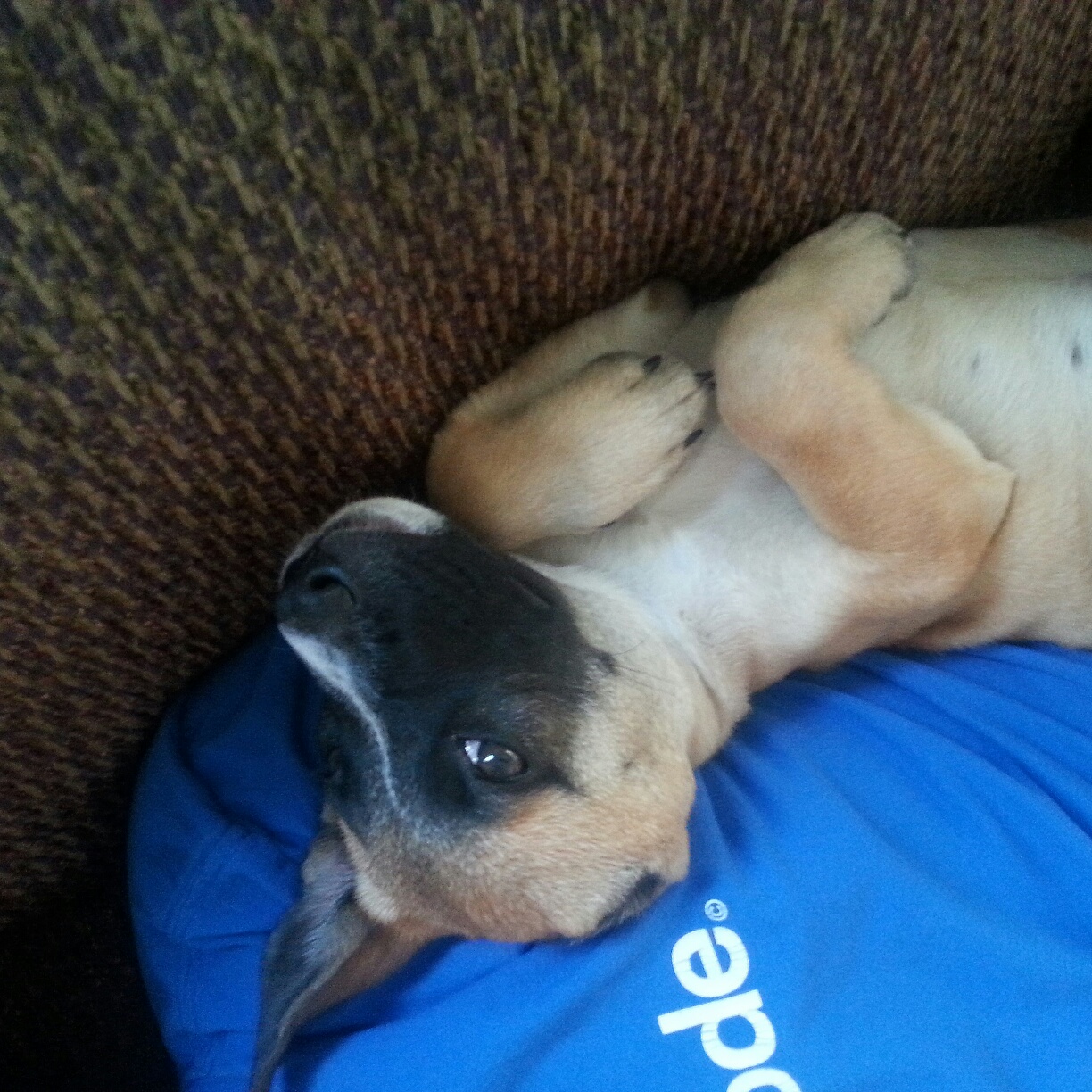
Parvovirus: What is it, and what can I do about it?

The last thing you want to hear when you adopt a puppy is that they are sick. But that’s the sad news a friend received when he brought home a puppy from an adoption event a couple weeks ago. Bad news turned to worse when he discovered that the newly found puppy (and all of its litter mates) had parvo.

I wanted to help. I usually have tons of knowledge to drop when it comes to dealing with illness, yet I didn’t have a clue. I had to find out.

What is canine parovirus?

Canine Parvovirus (parvo) is a highly contagious viral disease that is one of the most common causes of diarrhea in puppies under 6 months. It can also affect adult dogs, and has been reported in most members of the canine family (coyotes, wolves, and foxes). Puppies are the most susceptible, and their clinical signs are worsened by concurrent infections with roundworms, other internal intestinal parasites, protozoa (such as Coccidia), viruses or bacteria.

Parvo first appeared in the 1970s, and is one of the most frequent serious dog disease issues in dog shelters.

Early detection and aggressive treatments can usually lead to a full recovery in dogs. However, the mortality rate can be high in shelters, where staff cannot diagnose, isolate or treat cases.

IMG_20141008_161600_resized

What causes parvo?

Turns out, parvo is super resilient. It’s very stable in the environment, is resistant to most disinfectants, and can live on organic matter for up to a year.

And parvo is evolving. Different strains have come and gone since the disease was discovered in 1978. The two strains that are most common in the US are CPV-2b and CPV-2c. In a shelter, it is imperative that infected animals be isolated to prevent the spread of illness.

How is parvo transmitted?

Please don’t let your dog eat another dogs poo. Parvo is mainly transferred through contaminated feces. Transmission also occurs through contaminated objects, including hands, clothes, food and water dishes, and toys and bedding. Insects and rodents also pose a threat.

Dogs can carry parvo on the hair and fur long after they recover. The incubation period for parvo can be between 4-6 days, and because shelters can struggle to diagnose the disease, dogs can be adopted out without knowledge they are carrying the illness (much like in my friend’s case). Seemingly healthy dogs are suddenly stricken with illness and the shelters and new owners face a long period of recovery and stress.

Parvo can be spread through feces 3-4 days before symptoms appear, and for up to two weeks after recovery.

IMG_20141201_155343

What are the clinical signs of parvo?

Parvovirus affects the heart and digestive systems. Symptoms can include vomiting, foul-smelling diarrhea that can be very bloody, loss of appetite, fever, weakness, depression and dehydration. These symptoms may not appear for 3-4 days after infection and can be hard to diagnose early.

Puppies can become leukopenic, meaning they have too few white blood cells. The heart symptoms are rarely seen today and usually occur in puppies infected in utero or during the neonatal period, but they can cause sudden death without other signs, sudden death weeks to months after apparent recovery from other parvo signs, or sudden onset of symptoms of congestive heart failure in puppies under 6 months of age.

Luckily, my friend’s puppy is making a full recovery. They caught the issue early enough, and despite some rough and stressful days, treatment was successful. Above all, I’m happy for this. I hope that we don’t ever have to deal with something like this with Pickle, but at least now I’ll feel a little more prepared.

Understanding Challenging Puppy Behaviors

A trainer friend of mine joined me for a cup of coffee earlier this week, and we got to chat about all kinds of doggy things.

During our conversation, we started talking about challenging dog behaviors. She shared a story that I’m sure many of you could relate to, I know I did.

In a nutshell, her two dogs were enjoying some backyard time when they came across a possum playing dead in the backyard. As my friend tried to shoo her dogs away, she had to figure out a way to rid of the possum. Her older dog ventured back into the house, and her younger pooch, being little more hesitant, eventually complied. My friend then grabbed a shovel and removed the possum from her yard, safely removing the little animal and keeping her dogs from attacking it. All seemed well, and my friend felt content she had solved the situation. That is, until she walked back into the house. The younger dog was standing over her down jacket, the stuffing spread all over the living room. The dog had shred the jacket, and stood over it proudly, stuffing still stuck to his lips. My friend had every reason to be upset, but as a trainer, she realized that the torn jacket was mostly her fault.

How can that possibly be, you ask. Well, she realized that her dog had built up an urge to tear apart the possum in the backyard. When he was taken away and ushered back into the house, the possum was gone, but not the urge. He had to scratch that itch, so he took it out on my friend’s jacket. My friend hadn’t helped her dog to meet that urge, and he found a way to do it himself. What’s the take away here? Dogs have urges, and even if we don’t like those urges, they will find a way to satisfy them. Whether we like it or not, dogs will chew, dig, chase, tear things apart, and hump. These urges are biological and a dog’s brain is hard-wired to meet those needs. IMG_20141012_094742_resized I wonder now how many dogs are deemed as troubled or are labeled as having behavior issues because us humans are not doing our part to help them meet their natural urges. You know what sucks? Having your slippers or nice pair of leather boots chewed up by your puppy. Know what doesn’t suck? Giving your dog a chew stick (bully sticks, approved toys). Seems simple, right? Yet when we see a dog humping a person’s leg we get angry. I know if Pickle starts humping another dog, I get pretty embarrassed, even though I know it’s just an urge. How else is she supposed to get it out?

I also know Pickle loves to tear things apart, especially boxes and papers. She doesn’t eat the pieces, so when we get a package in the mail we give her the empty box. It wears her out mentally and physically, and she is satisfying a need in a safe way that keeps us happy. IMG_20141205_100915_resized And digging, let’s not get started on digging. If Pickle had it her way she’d be doing it any time she set foot on a soft surface. But that was bound to lead to her tearing up the carpet (which wouldn’t be so great with our landlords). How do I solve that? Well, don’t tell, but anytime we see a pile of mulch or dirt in someones yard, I sick Pickle on it. She digs until she’s tired, tries to sprint off, and we walk away. Addressing a need.
So think of it from your dog’s point of view. Imagine something that is so wonderful, so enticing, so hard-wired into your brain that you just had to do it no matter what anyone told you. You would find an outlet, right? Then why do we hold our dogs to a different standard?

It is up to us as owners to understand our dogs needs and to address them in a way that’s suitable to both man and beast. If you are concerned your dog is having too many issues getting these urges out, contact a trainer or consider getting some extra socialization help. A little bit of work can go a long way to making your pup a happy pup!

Book Review: Animals Make us Human

Animals Make Us Human
Creating the best life for our animals 
By Temple Grandin & Catherine Johnson
(Amazon, $13.24)

I received this book as a Christmas present and couldn’t resist sharing it and raving about the information inside!

Temple Grandin, who has a PhD in animal science and is a professor at Colorado State, has a unique perspective about animals. Writing as a person with autism, Grandin has taken her position as a scientist with autism to create several works about animals and how they interact with humans.

Animals Make Us Human is a great, in depth view on how we humans can strive to maximize the happiness of our animal companions. Using years of scientific data and citing dozens of experiments, Grandin dives into everything from keeping a lion in a zoo from pacing in its cage to keeping a dog happy when you leave home.

Of course, this is a dog blog, and I was totally engage with the ideas around dog training and behavior management. Grandin challenges the traditional approach of training dogs in which humans are taught to become the “dominant”, or “alpha” figure in their dogs life.  According to numerous studies cited in the book, dogs don’t quite act like wolves in the way we once thought. Grandin takes the “Cesar Milan” approach and spins it into a new light, agreeing that even though some situations (doggie daycare, for example) may warrant having an alpha presence, these strategies aren’t necessary in everyday training.

The problem occurred with studies done on wolves in captivity, taken away from their natural setting and put in “forced packs”. These dogs, unstable and insecure, created a pack pecking order to maintain structure. This resulted in more fights and lashing out then with normal, natural wolf families. The change in environment and familiarity with their mates caused drastic changes in the way they interacted.

As a former daycare worker and as a dog owner, I loved that Grandin was able to compare two opposing sides of methodology without completely denouncing either. She respectfully presents both sides of the coin and tries to help the reader understand that old methods are born from old understanding, and as we become more knowledgable, the methods change.

Gardin dives deeper into the idea that as dogs become further removed genetically from their wolf brethren, they lose their ability to express submissive behaviors, resulting in more aggressive communication between dogs. The escalation of emotion leads to more fights between unfamiliar dogs. For example, malamutes, who are genetically much like their wolf descendants, exhibited all the submissive signs that wolves do when they greeted another dog. Cavalier King Charles Spaniels, which are clearly very much removed from a wolf, exhibit none of these traits, and are thus more feisty (putting it mildly, that is).

Understanding the ideas behind dominance and submission are crucial when training a dog, but so are understanding there particular drive behaviors. Finding an outlet for a dog’s seeking and play drives, and learning how to handle their fear, rage and panic emotional triggers, are critical to developing a dogs well being.

The best way to handle all these drives, according to Grandin, is through proper socialization (and I obviously agree). I loved the quote Grandin used, from Patricia McConnell, “Socialization is not the same as enrichment. You need both.” I couldn’t agree more! And proper socialization can be the preventative cure to all kinds of later life issues. What I didn’t know about was a second socialization stage, between 18 and 36 months, when a dog becomes socially mature. This is a great opportunity to have your pup around positive adult-dog influences to steer them into the right direction through their teen years.

There is so much information about dogs in this book that I can get carried away. I’d also miss out on mentioning how Gardin talks about creating happy lives for your cats, for pigs, horses, birds, and captive animals in zoos. She talks about ways to stimulate their deepest instincts to help give even a caged lion a happy and content life. Believe it or not, an animal raised in the wild, yet put into captivity, tends to react better to being behind the glass in a zoo. You’ll have to read to find out why!

I recommend this book to anyone who is interested in animal science and animal psychology. Scratch that, I would recommend this book to anyone who has ever cared for an animal and wants to better understand the way they think. Not every animal is dealt the best hand, but with a little help from us humans, we can totally give them the happy and content life they need. Grab your copy today to find out how!

Dog Food: Going Beyond the Kibble (Part 2)

Last week, I talked about some great ways to switch your dog to a whole foods diet while highlighting a handful of tasty and nutritious treats usually reserved for humans.

Unfortunately, not all human food is dog friendly. And though switching to a whole foods diet is great for your dog and your wallet, there are a handful of foods you should avoid. Here are a few of the most common foods to avoid:

Avocado:

Unknown

The leaves, bark, and seeds of an avocado contain a chemical called persin. Dogs (and birds, rabbits, and horses) are especially sensitive to avocado as they can have respiratory distress, congestion, fluid accumulation around the heart, and even death from consuming avocado. Though toxic to some animals, avocado does not pose a serious threat to dogs or cats. Usually a mild stomach ache can occur from eating too much avocado flesh or peel. Swallowing the pit can lead to obstruction in the gastrointestinal tract, which is a serious situation and you should get your pet to the vet immediately.

Alcohol:

Unknown

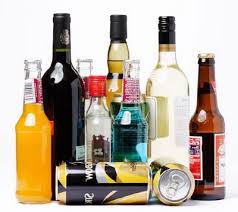
Dogs are extremely sensitive to the effects of alcohol (also refered to as ethanol or ethyl alcohol). Even a small amount of alcohol can leave your pooch severely intoxicated. Keep a close eye on your holiday champaign or wine, and don’t give your dog some of that beer your sipping! Alcohol intoxication commonly causes vomiting, loss of coordination, disorientation and stupor (I’m sure many of you can relate). In severe cases, coma, seizures and death may occur. Keep a close eye on your pup if they are showing signs of mild intoxication, but if your dog cannot get up they should be monitored by a vet until they recover.

Onion and Garlic:

Home-Remedies-For-Tooth-Pain-garlic-onion

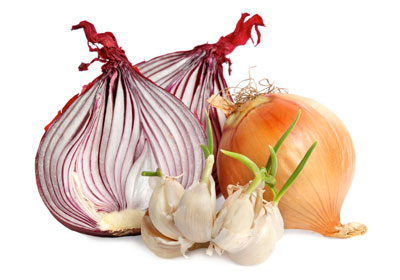
Ingestion of onions and garlic may pose a threat to dogs’ red blood cells. The odds of a dog eating enough raw garlic or onion to cause any serious damage is unlikely, but concentrated forms (dried onions, garlic powder) can pose a much greater risk. Damage caused by eating too much garlic or onion may not show up for a few days, when dogs become easily tired or reluctant to move. Take your dog to the vet immediately if they seem to be having trouble. In severe cases, a blood transfusion may be necessary.

Grapes and Raisins:

Unknown

Consuming grapes and raisins has been associated with the development of kidney failure in some dogs, though the cause is unclear.Also confusing is why some dogs can eat these fruits without harm, while others develop life-threatening problems after eating even a few grapes or raisins. Of course it’s better to be safe then sorry and just not let your pup eat any grapes or raisins. Symptoms include vomiting, lethargy or diarrhea within 12 hours of ingestion. As symptoms progress, dogs become increasingly lethargic and dehydrated, refuse to eat and may have a period of frequent urination, followed by little to zero urination. Death due to kidney failure may occur within three to four days, or long-term kidney disease may persist in dogs who survive the acute intoxication.

In case you missed it, don’t let your dogs eat grapes or raisins. In case it happens, successful treatment requires prompt veterinary treatment to maintain good urine flow.

Chocolate:

Here’s the big one! Unless you’re planning for a New Year’s resolution and ridding yourself of chocolate for the year, chocolate is probably in your home and could be a serious problem to your dog. Foods like chocolate candy, cookies, brownies, chocolate baking goods, cocoa powder and cocoa shell-based mulches all pose a risk to your pup. Caffeine and theobromine, which belong to a group of chemicals called methylxanthines, are what cause the issues. The rule of thumb with chocolate is “the darker it is, the more dangerous it is.” White chocolate has very few methylxanthines and is of low toxicity. Dark baker’s chocolate has very high levels of methylxanthines, and plain, dry unsweetened cocoa powder contains the most concentrated levels of methylxanthines. Depending on the type and amount of chocolate ingested, the signs seen can range from vomiting, increased thirst, abdominal discomfort and restlessness to severe agitation, muscle tremors, irregular heart rhythm, high body temperature, seizures and death. Dogs showing more than mild restlessness should be seen by a veterinarian immediately.

images

Now you have the tools to switch your pup off the kibble. So have at it, get your pup on that whole food diet! Get them off the kibble and mystery meat canned food and help them get to a healthier, happier life!

Dog Food: Going beyond the Kibble (Part 1)

I live in Seattle, so the idea of a healthy, whole foods lifestyle isn’t reserved for just us humans. Articles galore online describe how easy it is to switch your dog from byproduct riddled kibble and mystery meat canned food to a real, you can actually see the ingredient whole foods diet.

Why would you bother? First, it’s healthier, especially knowing that your pup is getting real meats and vegetables, and you get to pick what goes inside. Second, in most cases it’s cheaper. A local pet shop owner tipped me off to a brilliant idea (and talked me out of buying some canned food). Throw some chicken in the slow cooker on a Monday morning, and you’ll have fresh chicken all the way till Sunday! Lean, healthy protein source for about 36 cents a serving, compared to about $1/serving for the wet food we feed Pickle. That’s a 65% savings!

Okay, now you’re intrigued, right? The issue now is what can we and what can’t we feed our dogs. Here’s a list of some great, tasty options to feed your pup that are safe for your pup to eat:

Fresh, cooked meat.

Fresh meat can be a great stand in for the mystery meat canned food you may be serving up now, and works great in a pinch if you accidentally run out of food. Chicken, turkey, lean ground beef, and chuck steak or roast are animal-based proteins, which help dogs grow up strong. Make sure to cook the meat well as raw or undercooked meat could transmit food born illnesses to your pup. Many pet health sites will advise against fatty cuts, including bacon, but I encourage moderation. A piece of bacon will make your dog happy, a whole pound may leave him with a belly ache. Lastly, cut meat into easy-to-chew chunks to avoid choking.

Sweet potatoes.

Pickle loves her some sweet potato! Mixed up in her food or as a stand alone treat, sweet potatoes are a great source of dietary fibre and contain vitamin B6, vitamin C, beta carotene, and manganese. Sweet potatoes are great sliced and dehydrated as a chewy treat for your dog.

Apples.

bowl-of-apples-21

A wonderful, crunchy, sweet and/or tangy treat for your dog. Apples with the skin on are full of plant chemicals (phytonutrients) and are a source of vitamins A and C and fibre. Be weary of the seeds, however, as they contain cyanide. Don’t let your dog eat the core, but don’t be too worried if they get a seed or two. Issues occur when they regularly eat seeds, but a couple shouldn’t cause an issue.

Carrots.

carrots

Another cool, crunchy, see treat. Carrots are good for a dog’s teeth, low calorie, high in fiber and beta carotene/vitamin A.

Pumpkin.

Fiber is a huge theme here, and pumpkin is no exception. Also a good source of beta carotene (a source of vitamin A), we use pumpkin as a way to regulate Pickle’s bowel movements. It’s a tasty treat that certainly keeps her regular (and her belly happy).

Nut Butters.

Move beyond the peanut butter when you are giving your pup a midday treat. We have used everything from almond butter to sunflower seed butter to help spice up Pickle’s meals and treats (especially spreading it on her antler chew, she digs it!) A great source of protein and nutrients. Try to stick with raw, unsalted butters.

Cranberries and Blueberries.

Cranberries and blueberries good sources of vitamins, minerals and dietary fiber. Both are high in antioxidant content, which can help protect against free radicals that damage normal cells and tissues, are good for cardiovascular system and immune system. Cranberries have been used to help relieve to effects of Urinary Tract Infections (UTIs) in dogs (still go to your vet if your dog is showing signs of painful urination). At the same time the effect of antioxidants can protect the structure and tissues from the radical damage and delay aging. So blueberries provide special benefits for older dogs.

1.0_OurBerries_header_01.jpg

Blueberries and cranberries should be fed in moderation so as not to upset the digestive system of your dog. Over feeding of berries could lead to upset bellies and diarrhea.

Yogurt.

Yogurt is awesome for dogs! Not only is yogurt a great source of calcium and protein, but it is also a great source of stomach friendly probiotics for your dog! When Pickle was on antibiotics for her kennel cough, we gave her a small amount of yogurt everyday to keep her regulated, and she loved it. Choose low fat yogurts with no added sugar or sweeteners. On a warm day, frozen yogurt (with berries!?) can make a great treat for your pup!

Make sure to check back later in the week when we look at the foods that are dangerous for your pup and need to be avoided.

What are your favorite ways to spice up your dog’s meals? Leave a comment on our Facebook page or on Twitter!